
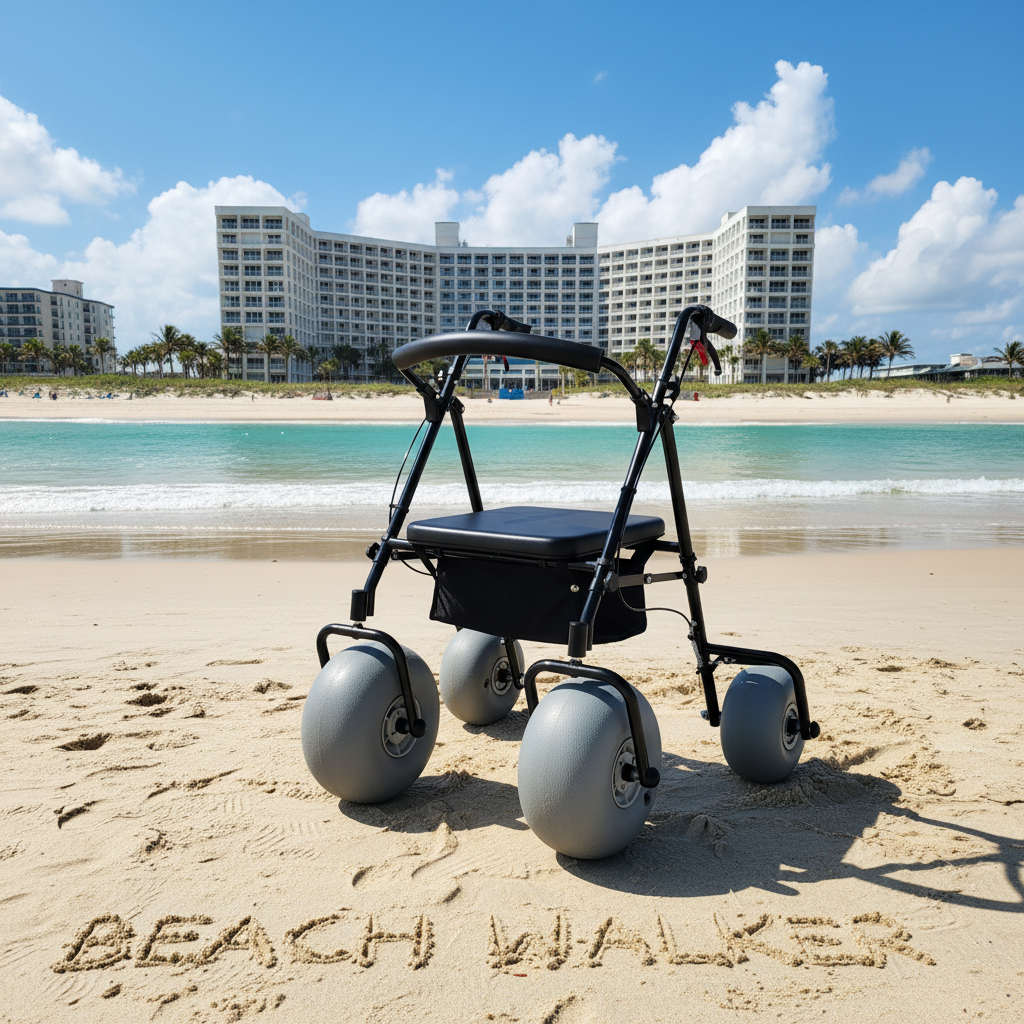
What if your picture-perfect shoreline is silently rejecting one out of every four potential guests? It’s a staggering thought. You’ve curated an oasis—lapis lazuli waters, pristine sands—yet for a massive segment of the population, a hidden barrier exists right where the boardwalk ends. This isn’t a fence or a sign, but the sand itself; an impassable frontier for seniors, families with strollers, and anyone with a mobility challenge. This logistical lacuna is more than a social oversight; it’s a silent hemorrhage in your revenue.
But what if this exact barrier represented your next great business opportunity? The path to unlocking this lucrative, loyal market is far simpler than you think. It begins with understanding the business of accessibility.
The Untapped Goldmine: Understanding the Accessible Tourism Market
As a resort or hotel manager, you’re constantly looking for a competitive advantage—a way to fill rooms during the off-season, attract larger groups, and generate the kind of glowing reviews that do your marketing for you. What if I told you that one of the biggest growth opportunities in hospitality is hiding in plain sight? It’s the accessible tourism market.
This isn’t a niche demographic. It’s a colossal, underserved, and high-spending segment of the global population.
The Surprising Numbers Behind Accessible Travel
Let’s look at the data. The accessible tourism market is valued in the hundreds of billions of dollars globally. In the United States alone, adults with disabilities spend over $58 billion per year on travel. When you expand that to include their travel companions, the number skyrockets.
But here’s where it gets really interesting for a beach property. This market isn’t just made up of individuals who use wheelchairs full-time.
It’s Not Just Wheelchair Users: Who Really Needs Beach Access?
When we talk about “accessibility,” the image that often comes to mind is a wheelchair ramp. But on a beach, the need is much broader. The guests who are currently unable to enjoy your shoreline include:
- Seniors: The fastest-growing travel demographic, often dealing with reduced mobility, balance issues, or simply the need for a stable walker or a place to rest. Senior travel is a powerful economic force.
- Families with Young Children: Pushing a stroller across soft sand is an exercise in frustration. Many families will simply give up, limiting their beach time or choosing a different, more accommodating destination.
- Guests with Temporary Injuries: Think of the guest with a sprained ankle, a broken leg in a cast, or someone recovering from knee surgery. Their vacation shouldn’t be ruined because they can’t cross the sand.
- Plus-Size Guests: Deep, soft sand can be physically exhausting and challenging to navigate for individuals of all sizes.
- Guests with Chronic Conditions: Many people with conditions like arthritis, MS, or chronic fatigue have limited endurance. A short walk across the sand can be an insurmountable obstacle.
When you add these groups together, you’re looking at a significant portion of your potential guest list. By not providing a solution, you’re essentially telling them, “The best part of our resort is not for you.” This is where a simple investment in all-terrain mobility solutions transforms your business.
From “No-Go Zone” to “Must-Go Destination”: The Power of a Beach Walker
Imagine this scenario: A family arrives for a week-long vacation. It’s a multi-generational group—grandparents, parents, and young kids. Grandma uses a walker and hasn’t touched the ocean in a decade because getting across the sand is impossible.
At check-in, your front desk staff mentions, “We see you’re here with your family. We want everyone to enjoy the beach, so we have complimentary beach walkers and a floating wheelchair available. Just let us know when you’d like to use them.”
The look on that family’s face? That’s the moment you’ve earned a customer for life.
Meet the Game-Changers: Beach Walkers and Floating Chairs
This isn’t complicated or prohibitively expensive technology. These are thoughtfully designed pieces of beach mobility equipment built for one purpose: to conquer the sand.
- The Beach Walker / Beach Rollator: Think of a standard medical walker, but supercharged for the coast. Instead of small wheels that dig into the sand, these feature large, soft, balloon-like tires that glide effortlessly over sand, pebbles, and uneven terrain. They provide stability for guests who can walk but need support, often including a seat for them to rest and enjoy the view.
- The All-Terrain Beach Chair / Sand Wheelchair: This is the classic sand-friendly wheelchair. With its large rear balloon wheels and sturdy front casters, it allows a companion to easily push a guest across the deepest, softest sand right to the water’s edge. Made from materials like lightweight, rust-proof aluminum, they are built to withstand the harsh seaside environment.
- The Floating Amphibious Chair: This is the showstopper. This chair, often called a surf chair or amphibious wheelchair, not only crosses the sand but also allows the guest to enter the water. With its buoyant armrests and stable design, a guest can safely float in the calm waves, experiencing the ocean in a way they may have never thought possible.
These aren’t just amenities; they are vehicles for creating unforgettable memories. And those memories are very, very good for business.
The ROI of Inclusion: 7 Ways Beach Accessibility Boosts Your Bottom Line
As a hospitality purchasing manager or resort owner, every investment has to answer one question: What’s the return? The business case for accessibility is one of the strongest you’ll find. This is about more than feeling good; it’s about smart business growth.
1. Attract a New, Loyal, and High-Spending Customer SegmentPeople in the accessible travel community talk. They share information voraciously in online forums, social media groups, and with their doctors and support networks. When a hotel gets it right, the word spreads like wildfire. These travelers are fiercely loyal. Once they find a place that truly accommodates their needs, they stop searching and become repeat customers. They also tend to travel with companions, meaning one accessible booking often translates to multiple rooms.
2. Unlock Powerful “Word-of-Mouth” Marketing and 5-Star ReviewsThink about your recent online reviews. They probably mention the clean rooms, the friendly staff, or the great pool. Now, imagine a review like this:
“I’m crying tears of joy as I write this. My 80-year-old mother hasn’t been able to go on the beach in 20 years. This resort had a special beach wheelchair that allowed us to wheel her right to the ocean. Seeing her put her feet in the water was the highlight of our year. We will be back every year. Thank you, thank you, thank you!”
You can’t buy that kind of marketing. This is what transforms your brand reputation. That single emotional story is more powerful than a hundred generic 5-star ratings and creates a massive competitive advantage.
3. Drive Lucrative Group and Off-Season BookingsMulti-generational travel is a huge trend. These groups book more rooms, stay longer, and spend more on-site. But their destination choice is often dictated by the needs of the least mobile person in the group. If Grandma can’t enjoy the main attraction—the beach—the family will go elsewhere. By offering disabled beach access, you become the default choice for these large, high-value bookings. Furthermore, seniors often prefer to travel during the shoulder seasons, helping you combat seasonality and boost off-season bookings.
4. Create New Revenue Streams with Premium RentalsWhile many top-tier resorts offer these as a complimentary amenity to enhance the guest experience, there’s also an opportunity for premium rental revenue. You can offer the equipment as part of an “Accessibility Package” or for a modest daily rental fee. A single floating wheelchair can pay for itself in one busy season and generate pure profit for years to come.
5. Elevate Your Brand as a True Leader in Inclusive HospitalityIn today’s market, travelers are increasingly drawn to brands that demonstrate genuine care and social responsibility. Inclusive hospitality is no longer a buzzword; it’s a core business principle. Promoting your accessible shoreline shows that you care about all your guests. It’s a powerful statement that elevates your brand above competitors who only meet the bare minimum standards.
6. Reduce Liability and Stay Ahead of Future RegulationsWhile specific laws vary, the global trend is toward greater accessibility requirements. ADA compliance for beaches and similar international standards are becoming more common. Investing in hotel accessibility solutions now puts you ahead of the curve, protecting you from potential legal challenges and showing proactive leadership.
7. Increase On-Site SpendingWhen the entire family can participate in beach activities, they stay on the property longer. They aren’t leaving to find an accessible public beach. They are staying for lunch at your beachside grill, ordering cocktails from your bar, and enjoying the full resort experience together. A guest who feels included and valued is a guest who spends more.
Your Quick-Start Guide to Becoming an Accessibility Champion
Ready to take action? Implementing a beach accessibility program is straightforward. Here’s a simple guide for a resort manager looking to make a change.
Step 1: Choosing the Right Equipment for Your Property
You don’t need a massive fleet to get started. Often, one or two well-chosen pieces can make a world of difference. As a manufacturer in this space, I’ve seen hotels succeed by starting with a versatile combination.
| Feature | All-Terrain Beach Wheelchair (Sand Chair) | Floating Amphibious Chair (Waterwheels) | Beach Walker / Rollator | |
|---|---|---|---|---|
| Best For | Getting guests across sand to the water’s edge for lounging. | Guests who want to enter and safely float in calm water. The “wow” experience. | Independent guests who need stability on paths and firm sand. | |
| Guest Profile | Needs a companion to push. Ideal for transfers from a personal wheelchair. | Needs assistance to enter/exit water. Offers a unique water experience. | Can walk but needs support and a place to rest. Promotes independence. | |
| Operational Impact | Low. Easy to push and maneuver. Minimal staff training required. | Requires clear safety guidelines. Best for calm water areas. | Very low. Guest can manage independently. | |
| Investment | Moderate | Moderate-High | Low-Moderate |
A great starting point for most resorts is one all-terrain beach chair and one beach walker. This combination covers the two most common needs: getting across the sand and providing stability for those who are still mobile.
Step 2: Training Your Staff to Be Welcoming, Not Just Compliant
Your equipment is only as good as the service that comes with it. Train your staff—from the front desk to the pool attendants—on a few key things:
- Know the Equipment: They should know what you have, where it’s stored, and how it works.
- Proactive Language: Instead of waiting to be asked, train them to offer. “Can we help get anyone in your party down to the beach today?”
- Dignified Service: Instruct them to speak directly to the guest with the mobility need, not just to their companion.
- Safety First: Briefly explain any safety guidelines, especially for floating wheelchairs.
Step 3: Marketing Your New Accessible Features (Don’t Hide Them!)
You’ve made the investment; now get the credit for it! Too many hotels have hotel amenities for disabled guests but fail to mention them anywhere.
- Create a Dedicated Website Page: Have a clear “Accessibility” page on your website. Use descriptive keywords like “wheelchair accessible beach” and “accessible vacation.”
- Show, Don’t Just Tell: Post high-quality photos and videos of your beach walkers and wheelchairs in action with smiling guests. This is incredibly powerful.
- Inform Booking Agents: Make sure your reservation team and any third-party travel agents are aware of your new offerings.
- Update Your Listings: Add this information to your profiles on Expedia, Booking.com, and other OTAs.
Let’s Talk Brass Tacks: Answering Your Top Concerns
I know what you might be thinking. It’s easy for me to say this, but you have a budget and operational realities to consider. Let’s tackle the two most common objections head-on.
“Isn’t it too expensive?” A Look at Investment vs. Return
Let’s do some simple math. A high-quality all-terrain beach chair is a durable piece of equipment that will last for many years. Let’s say the initial resort equipment investment is $2,000.
Now, consider the revenue from a single new booking you wouldn’t have gotten otherwise. A multi-generational travel group books three rooms for four nights because you are the only resort in the area that can accommodate their grandfather on the beach. That one booking could easily represent
3,000−3,000 – 3,000−
5,000 in revenue.
Your investment is paid back immediately, and every subsequent booking it attracts for the next 5-10 years is pure profit. The ROI isn’t just positive; it’s exponential.
“Where do we store it? And what about maintenance?”
This is a valid operational question. The good news is that reputable manufacturers design this equipment for the realities of a hotel environment.
- Storage: Most beach wheelchairs are designed to be lightweight and can be stored easily in a beach hut, poolside storage closet, or bell services area. Many models have quick-release wheels for more compact storage.
- Maintenance: Look for products made from high-grade, corrosion-resistant aluminum or stainless steel. The balloon tires are made of durable PVC and polyurethane. The maintenance is minimal—typically just a quick rinse with fresh water at the end of the day to remove salt and sand. It’s less work than maintaining your pool furniture.
Conclusion: Your Beach is for Everyone, and So Is Your Business Growth
The shoreline of your property is your greatest asset. Ensuring that every single guest can enjoy it isn’t just a matter of ethics; it’s one of the smartest business decisions you can make in today’s hospitality industry.
By investing in simple, effective solutions like beach walkers and floating wheelchairs, you open your doors to a vast and loyal market, generate powerful emotional marketing, and build a brand that stands for true, inclusive hospitality. You transform a hidden barrier into your next great opportunity, proving that doing good and doing well in business can, and should, go hand-in-hand.
Thank you for reading. Now go make your beautiful beach accessible to all.
Recommended Reading:
- [Link to a relevant post on your blog, e.g., “5 Overlooked Ways to Improve Hotel Guest Experience”]
- [Link to an external authoritative resource on accessible tourism or universal design]